Reducing plastic film roll rejections with roll hardness profiling
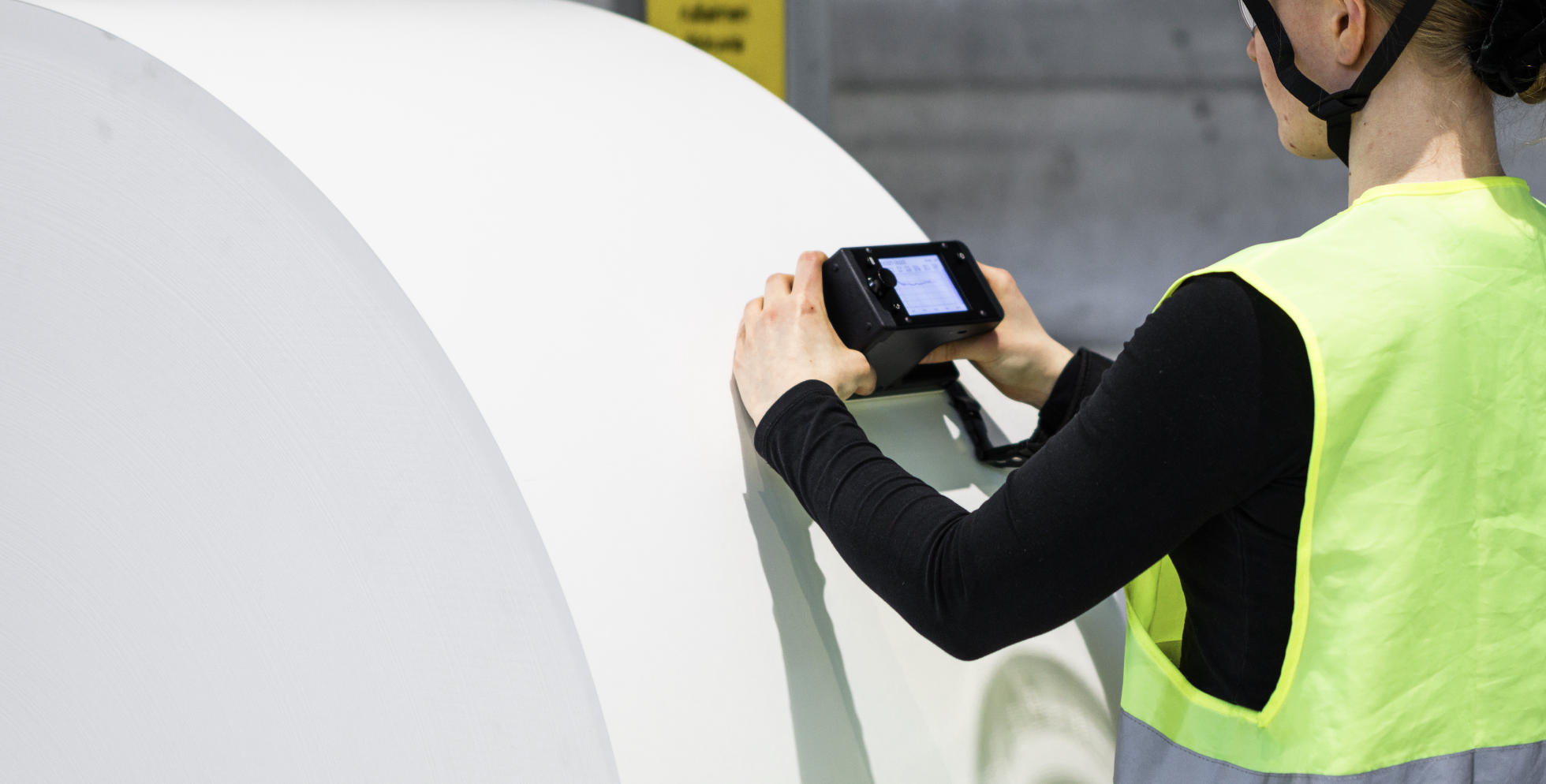
Reducing plastic film roll rejections with roll hardness profiling The Tapio RQP Live produces an instant high-resolution hardness profile. Alert
Every mill knows the frustration of a “bad” roll — unscheduled downtime, customer complaints, wasted materials, and production delays. But what if you could detect roll defects before they cause expensive problems? The good news: you can. And it starts with understanding roll hardness profiles.
Traditional inspection methods can miss internal defects that compromise roll integrity. A roll may look perfect on the outside, yet contain defects in the tension or thickness that can lead to eg. web breaks, winding issues, and/or inefficient processing.These problems can go undetected until they become costly failures.
By measuring hardness variations across the entire roll, manufacturers can prevent defects from reaching customers and optimize production efficiency. Tapio Technologies’ solutions provide real-time insights, enabling instant decision-making on roll quality – modern technology really changes the game.
With the right tools, you can:
As industry demands grow, manufacturers must adopt smarter quality control methods. Relying on outdated testing techniques increases the risk of production failures. Investing in easy-to-use measurement technology ensures that every roll meets the standards – before it ever leaves your facility.
It makes sense if you think about it. Want to learn more about the impact of roll hardness on production efficiency and quality control?

Reducing plastic film roll rejections with roll hardness profiling The Tapio RQP Live produces an instant high-resolution hardness profile. Alert

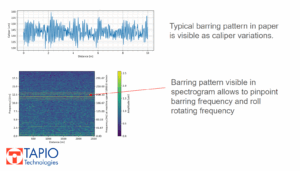
How Tapio Analysis Helps Solve Barring Problems In paper and board production, calender roll barring is a significant problem which
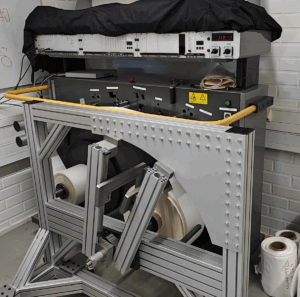
How Product Variations can Cause Winder Vibration A winder–cutter is not an easy system to optimize. Changing web tensions, roll